


Stroke rehab program
STROKE REHABILITATION
What is a Stroke?
A stroke happens when the blood supply to a part of the brain is interrupted or a blood vessel in the brain bursts. When that occurs, the affected brain tissue cannot get oxygen and nutrients, and nerve cells stop working. The symptoms and long-term effects depend on which blood vessel and which part of the brain are affected.
The effects of stroke depend on:
- Location of the blocked or ruptured blood vessel.
- Size and extent of the brain injury
- Type of stroke (ischemic vs. haemorrhagic).
TYPES OF STROKE
Ischemic stroke
Occurs when a blood clot or fatty plaque blocks an artery supplying the brain, reducing or stopping blood flow. Ischemic strokes are the most common type.
Haemorrhagic stroke
Occurs when a blood vessel in the brain ruptures and bleeds. Bleeding prevents nearby brain tissue from getting oxygen. High blood pressure is a common cause because it can weaken vessel walls.
Transient Ischemic Attack (TIA) — “warning stroke”
A TIA causes stroke-like symptoms that last a short time and usually do not cause permanent damage. However, a TIA is a strong warning sign of an increased risk of a full stroke and needs prompt medical evaluation.
BRAIN AREAS AND COMMON FUNCTIONS
- Frontal lobe: planning, decision-making, impulse control, voluntary movement, speech production, personality.
- Parietal lobe: sensation, spatial awareness, body orientation.
- Temporal lobe: memory, hearing, language comprehension, emotional responses.
- Occipital lobe: visual processing and interpretation
COMMON CHANGES AFTER A STROKE
- Weakness or paralysis on one side of the body (the side opposite the affected brain hemisphere).
- Fatigue: common after stroke; it often improves over months but can persist.
- Seizures: sudden, brief changes in awareness or involuntary movements.
- Swallowing difficulties (dysphagia).
- Spasticity: increased muscle tone that may develop later.
- Foot drop, balance problems, vision problems, one-sided neglect, incontinence, and pain are other possible consequences
EMOTIONAL AND PERSONALITY CHANGES
- Post-stroke depression (PSD) affects a large number of stroke survivors and can start early in recovery. PSD reduces motivation and participation in rehabilitation and may slow recovery if untreated. Watch for signs such as:
- Persistent sadness, anxiety, or loss of interest in activities
- Sleep or appetite changes, low energy, trouble concentrating
- Feelings of hopelessness, worthlessness, or being a burden
- Thoughts of death or suicide — seek immediate help if present
HOW STROKE IS DIAGNOSED
- Immediate physical and neurological examination to assess symptoms.
- Medical history review and essential blood tests.
- Brain imaging (CT or MRI) to confirm the type and location of stroke.
COMMUNICATION AND COGNITIVE CHANGES
- Aphasia: difficulty with language.
- Expressive (non-fluent) aphasia: person understands but struggles to speak or find words.
- Receptive (fluent) aphasia: person has trouble understanding spoken language.
- Global aphasia: severe impairment in speaking, understanding, reading, and writing.
- Dysarthria: weakness or poor control of the muscles used for speech, causing slurred or slow speech.
- Apraxia of speech: difficulty coordinating the movements needed for speech despite knowing what to say; may also affect reading and writing.
- Cognitive changes may include reduced attention, memory problems, and difficulties with planning or organizing.
STROKE MANAGEMENT
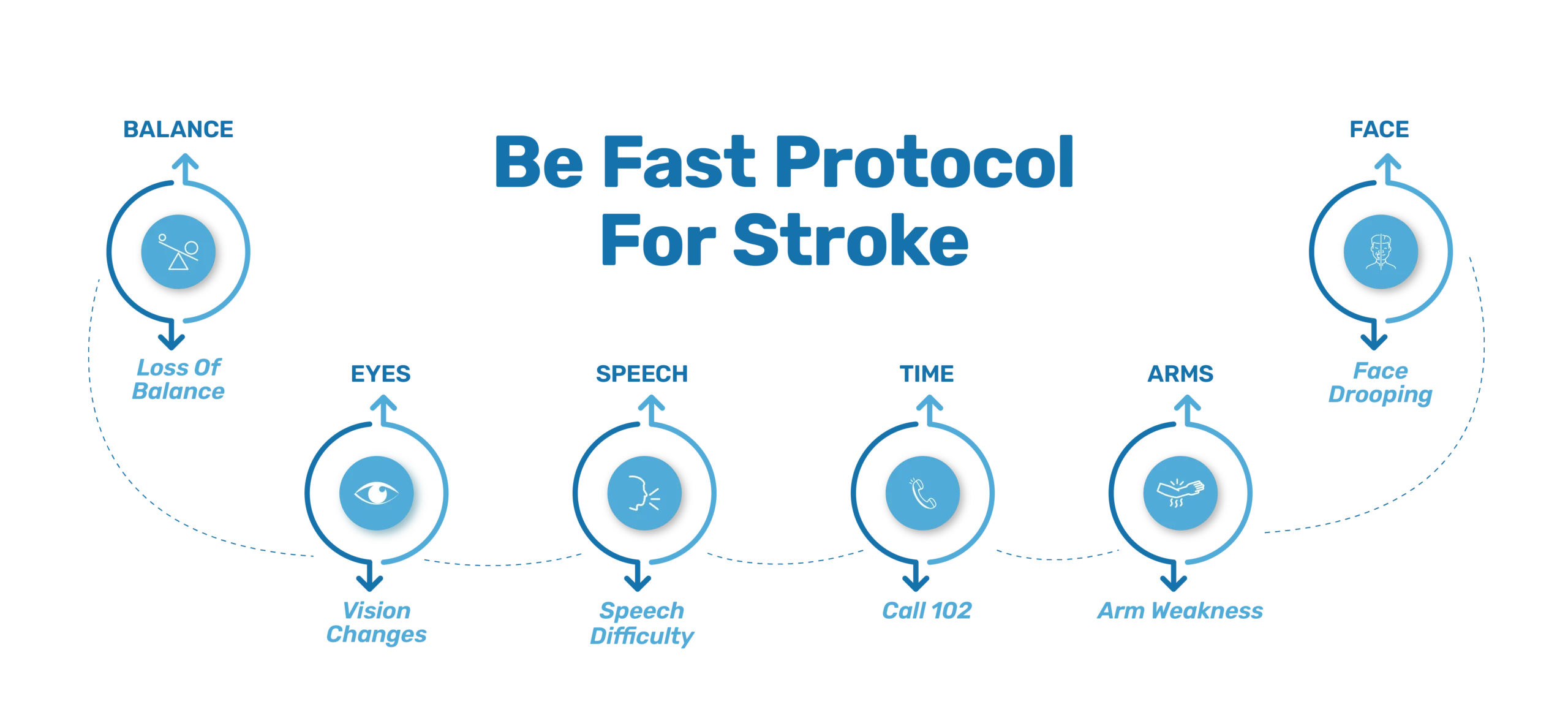
ACUTE TREATMENTS
- Thrombolysis :Alteplase (tPA) a clot-dissolving medicine given through an IV. It can restore blood flow if given early — generally within 3 hours of symptom onset, and up to 4.5 hours for some patients who meet specific criteria.
- Mechanical thrombectomy: a procedure to physically remove the clot. This is time-sensitive and may be performed up to 6–24 hours after symptom onset in selected patients, often after tPA when appropriate.
- For hemorrhagic stroke, treatment focuses on controlling bleeding, reducing pressure in the brain, and treating the underlying cause (for example, managing high blood pressure).
Stroke Rehabilitation - Integrated and Multidisciplinary treatment Approach
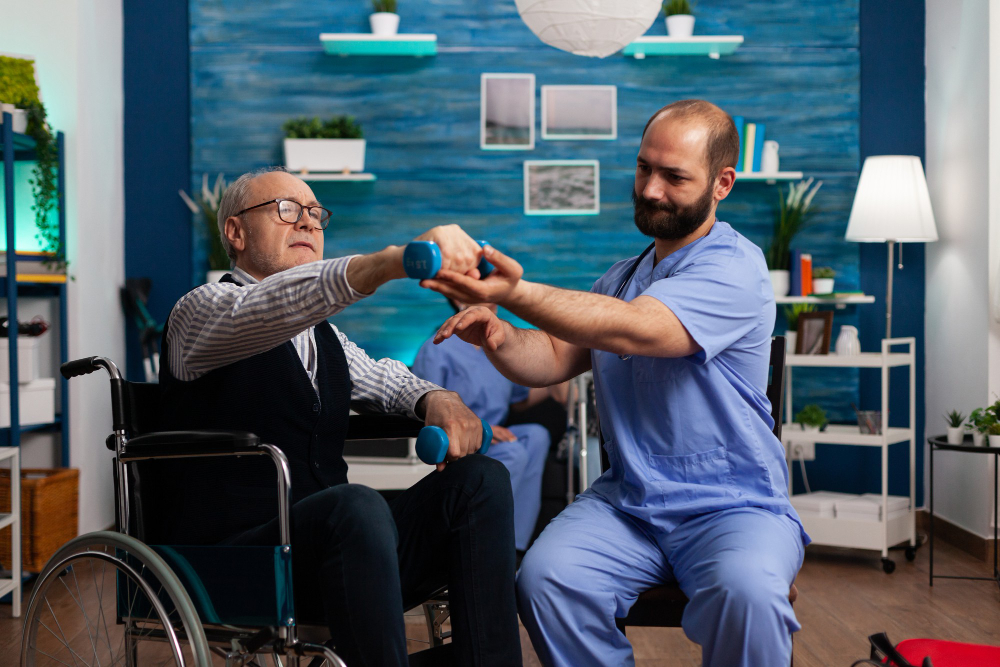
Stroke rehabilitation demands a comprehensive strategy that addresses the complex needs of stroke survivors. The Integrated Physical Medicine & Rehabilitation (PMR) Treatment Protocol represents a transformative approach by combining the best of modern medicine with traditional healing systems and advanced therapies for promoting neuroplasticity and early recovery. This multidisciplinary model brings together physiotherapy, occupational therapy, speech and swallowing therapy, robotics, and Ayurveda—creating a unified, patient-centred plan that bridges treatment gaps often caused by fragmented care.
By combining the diverse systems under single framework, this integrative protocol ensures faster, more sustainable recovery. It reduces the risk of misdiagnosis, minimizes the need for invasive procedures, and enhances functional outcomes. Ultimately, it restores mobility, independence, and quality of life with successful stroke rehabilitation.
AYURVEDIC TREATMENT PROTOCOL IN STROKE REHABILITATION (PAKSHAGHATA)
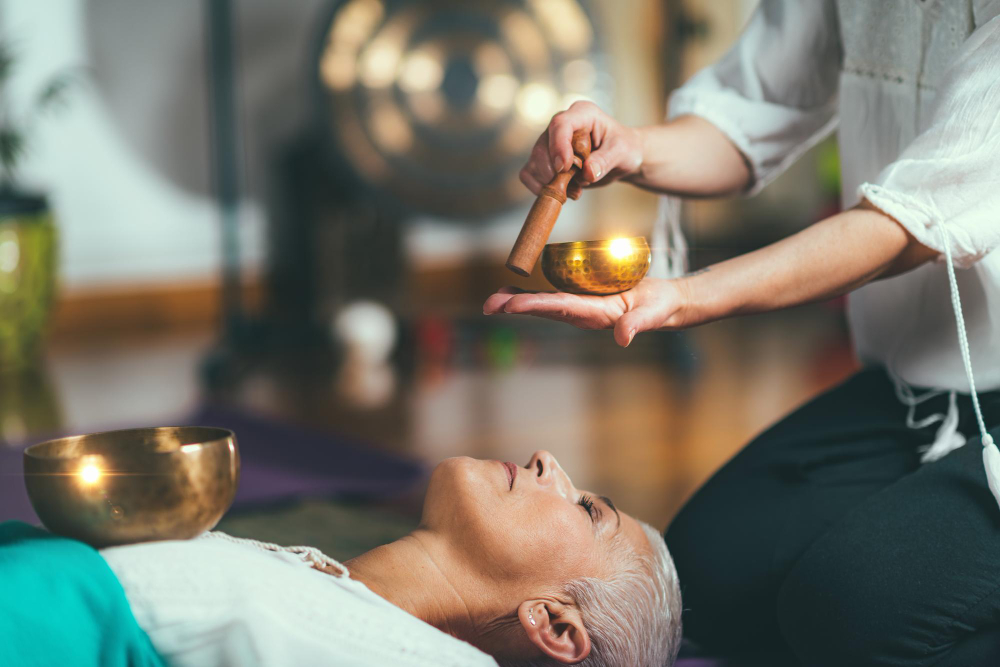
Stroke, known in Ayurveda as Pakshaghata, is classified under Vata Nanatmaja Vyadhi . It primarily arises due to vitiation of Vata dosha, which governs all neurological and motor functions in the body.
The Ayurvedic approach to stroke rehabilitation in India is comprehensive, aiming not only at symptom management but also at restoring the body’s balance, detoxifying the system, rejuvenating tissues, and preventing recurrence.
Goals of Ayurvedic Stroke Rehabilitation
- Pacify vitiated Vata Dosha.
- Eliminate Ama and detoxify tissues.
- Strengthen Dhatus (tissues) and rejuvenate the nervous system.
- Restore Agni (digestive and metabolic functions).
- Re-establish proper flow in Srotas.
- Improve motor and sensory functions.
- Enhance overall quality of life.
CORE AYURVEDIC THERAPIES IN STROKE REHABILITATION
INTERNAL MEDICINES :
Ayurvedic internal medicines play a vital role in recovery by acting as neuroprotective and neuro-enhancing agents. They support brain healing, improve circulation, reduce stiffness, and strengthen the nervous system.
PANCHAKARMA THERAPIES:
Snehana (Oleation Therapy)
- Internal & External Oleation using oils like Ksheerabala Taila, Dhanvantaram Taila, Mahanarayan Taila etc.
- Sarvanga Abhyanga (Full body massage) helps:
- Improve circulation.
- Nourish Maamsa(muscles) ,Asthi (bones) and Majja Dhatu (nervous tissue).
- Reduce stiffness and promote joint mobility.
Swedana (Fomentation Therapy)
Mridu Sarvanga Bashpa Swedana (mild steam therapy) or Nadi Sweda (localized steam) using medicated decoctions which Reduces Gourava (heaviness), Stambha (rigidity), and Ruja (pain).
Helps in:
- Enhancing blood flow.
- Clearing blocked Srotas.
- Softening muscles and tissues.
Basti Chikitsa (Medicated Enema)
Considered the best treatment for Vata Vyadhi.
Matra Basti (oil enema) using Medicated Taila:
- Strengthens and nourishes the nervous system.
- Improves mobility and motor coordination.
- Anuvasana and Niruha Basti protocols are tailored depending on the patient’s strength.
Nasya (Nasal Administration)
Medicated Taila is instilled into the nostrils.
- Stimulates olfactory nerves, hypothalamus, pituitary glands, and higher centres.
- Useful in facial paralysis, speech issues, and cranial nerve dysfunctions.
- Prevents recurrence of symptoms by working on the central nervous system.
Mridu Virechana (Mild Purgation)
- Removes Pitta and Ama, which may obstruct neurological recovery.
- Optimizes Medha (intellect) and Buddhi (cognition).
Shirodhara and Shiropichu
Shirodhara: Continuous stream of warm medicated oil on the forehead.
Shiropichu: Application of oil-soaked cotton on the scalp.
Both therapies help:
- Calm the mind and nervous system.
- Improve sleep, cognition, and emotional health.
Rasayana Chikitsa (Rejuvenation Therapy)
- Rasayana Chikitsa (Rejuvenation Therapy) Use of neuroprotective and rejuvenating herbs:
- Ashwagandha, Brahmi, Mandukaparni, Shankhpushpi etc.
- Enhances synaptic plasticity, nerve regeneration, and overall vitality.
Snehana (Oleation Therapy)
- Internal & External Oleation using oils like Ksheerabala Taila, Dhanvantaram Taila, Mahanarayan Taila etc.
- Sarvanga Abhyanga (Full body massage) helps:
- Improve circulation.
- Nourish Maamsa(muscles) ,Asthi (bones) and Majja Dhatu (nervous tissue).
- Reduce stiffness and promote joint mobility.
Swedana (Fomentation Therapy)
Mridu Sarvanga Bashpa Swedana (mild steam therapy) or Nadi Sweda (localized steam) using medicated decoctions which Reduces Gourava (heaviness), Stambha (rigidity), and Ruja (pain).
Helps in:
- Enhancing blood flow.
- Clearing blocked Srotas.
- Softening muscles and tissues.
Basti Chikitsa (Medicated Enema)
Considered the best treatment for Vata Vyadhi.
Matra Basti (oil enema) using Medicated Taila:
- Strengthens and nourishes the nervous system.
- Improves mobility and motor coordination.
- Anuvasana and Niruha Basti protocols are tailored depending on the patient’s strength.
Nasya (Nasal Administration)
Medicated Taila is instilled into the nostrils.
- Stimulates olfactory nerves, hypothalamus, pituitary glands, and higher centres.
- Useful in facial paralysis, speech issues, and cranial nerve dysfunctions.
- Prevents recurrence of symptoms by working on the central nervous system.
Mridu Virechana (Mild Purgation)
- Removes Pitta and Ama, which may obstruct neurological recovery.
- Optimizes Medha (intellect) and Buddhi (cognition).
Shirodhara and Shiropichu
Shirodhara: Continuous stream of warm medicated oil on the forehead.
Shiropichu: Application of oil-soaked cotton on the scalp.
Both therapies help:
- Calm the mind and nervous system.
- Improve sleep, cognition, and emotional health.
Rasayana Chikitsa (Rejuvenation Therapy)
- Rasayana Chikitsa (Rejuvenation Therapy) Use of neuroprotective and rejuvenating herbs:
- Ashwagandha, Brahmi, Mandukaparni, Shankhpushpi etc.
- Enhances synaptic plasticity, nerve regeneration, and overall vitality.
Physiotherapy in Stroke Rehabilitation
Physiotherapy plays a central role in restoring movement, strength, balance, and daily functional abilities.
Steps in Stroke Rehabilitation
Rehabilitation begins as soon as the patient is medically stable. Early intervention prevents complications and maximizes recovery. The main steps include :
- Preventing pressure sores, contractures, and deep vein thrombosis.
- Managing neurogenic bowel and bladder problems.
- Ensuring proper positioning.
- Gradual progression from bed mobility to sitting, standing, walking, stair climbing, strengthening, and resuming daily activities .
Treatments for Shoulder Pain after Stroke
Combination of techniques includes :
- Gentle stretching and mobilization to restore range of motion.
- Gradual strengthening of weak shoulder muscles.
- Proper ROM exercises with scapular control.
- Ultra-modern device to reduce pain
- Dry needling for trigger release.
Balance Training
Balance recovery is key to mobility and fall prevention :
- Seated balance and weight-shifting exercises.
- Pelvic control training (forward, backward, hiking).
- Use of stability balls, aquatic therapy, cycling, or partial body weight support treadmill training.
- Balance trainers with visual feedback to retrain posture and center of gravity.
- MOBI-L - It is a dynamic balance training device designed to enhance postural stability, coordination, and core strength through controlled, multi-directional movement.
Specific Therapies for Upper Extremity after Stroke
Recovery of arm and hand function is crucial for independence. Therapies include :
- Range of Motion (ROM) Exercises – passive, assisted, and active ROM to regain mobility.
- Functional Electrical Stimulation (FES)
- Constraint-Induced Movement Therapy (CIMT) – encourages use of the affected hand.
- Mirror Therapy & Virtual Reality – enhance motor recovery and ADLs.
- Strength Training – to strengthen the weak muscles.
- Adaptive Devices – to support ambulation/mobility.
Lower Limb Gait Training
Regaining walking ability is a major rehabilitation goal:
- Strength training of leg muscles in the sub-acute phase.
- Stretching exercises.
- Repetitive, task-specific training (sit-to-stand, walking, stair climbing).
- Treadmill training with or without body weight support.
- Robotic-assisted gait devices for intensive practice.
Lower Limb Spasticity Management
Spasticity is managed through :
- Correct positioning, stretching, and ROM exercises.
- Use of ankle-foot orthosis during standing and at night.
- Strength training even in the presence of spasticity.
Progression in Stroke Physical Therapy Care
Rehabilitation progresses step by step, ensuring safety and independence:
1
Bed mobility
2
sitting balance
3
sit-to-stand. Standing balance
4
walking
Step 1
Bed mobility
Step 2
Sitting balance
Step 3
Sit-to-stand. Standing balance
Step 4
Walking
Step 4
Walking
Step 5
Stair climbing
Step 6
Strengthening of upper and lower limbs.
Step 7
Functional training for daily activities.
Step 8
Back to life roles and community engagement.
01.
Bed mobility
02.
sitting balance
03.
sit-to-stand. Standing balance
04.
walking
05.
stair climbing.
06.
strengthening of upper and lower limbs.
07.
Functional training for daily activities.
08.
Back to life roles and community engagement.
Care after stroke survival
- Education of patients and caregivers on safe transfers and mobility.
- Proper footwear and use of gait aids.
- Wheelchair transfer and bed mobility.
- Environmental modifications and fall-prevention strategies.
- Correct scapular alignment and strengthen to prevent subluxation.
- Avoiding harmful practices like pulling the affected arm during transfers.
OCCUPATIONAL THERAPY IN STROKE REHABILITATION
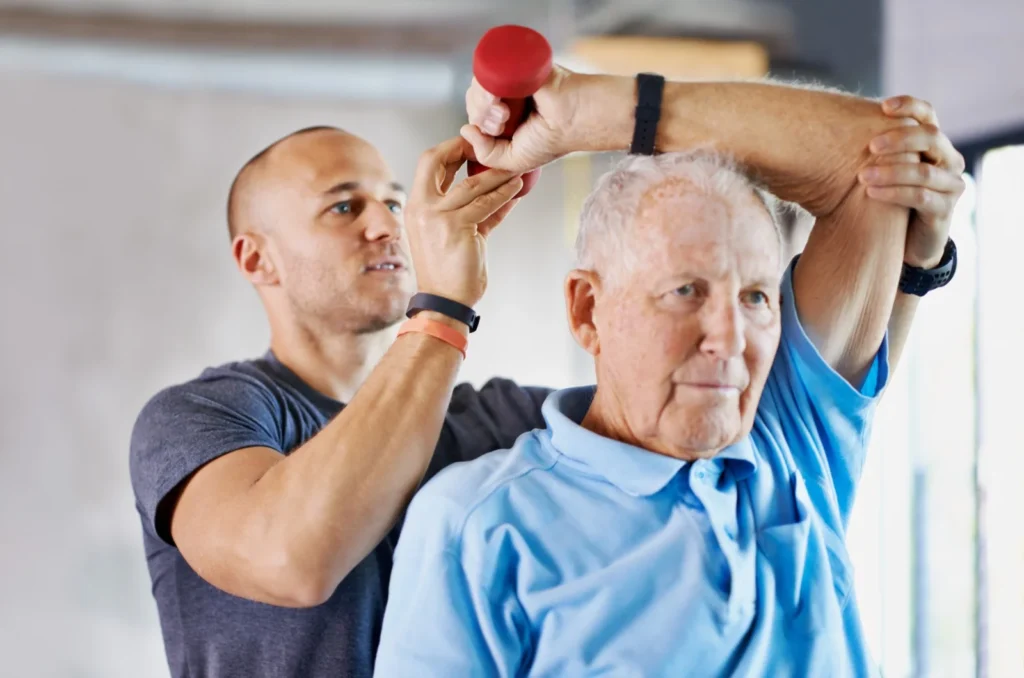
Occupational Therapy (OT) plays a vital role in helping stroke survivors regain independence, improve functional abilities, and reintegrate into their daily lives. Occupational therapy focuses not only on restoring lost skills but also on teaching adaptive techniques to overcome limitations, making it an essential part of a comprehensive stroke rehabilitation program.
OCCUPATIONAL THERAPY IN STROKE REHABILITATION
Occupational Therapy (OT) plays a vital role in helping stroke survivors regain independence, improve functional abilities, and reintegrate into their daily lives. Occupational therapy focuses not only on restoring lost skills but also on teaching adaptive techniques to overcome limitations, making it an essential part of a comprehensive stroke rehabilitation program.
Importance of Occupational Therapy in Stroke Rehabilitation
After a stroke, many individuals experience difficulties with movement, coordination, cognition, and performing everyday activities. Occupational Therapy addresses these challenges by:
- Promoting recovery of motor and sensory functions.
- Enhancing independence in Activities of Daily Living (ADLs).
- Improving confidence and participation in meaningful life roles.
- Preventing complications such as deformities, spasticity, and pain.
- Supporting emotional well-being by restoring functional independance.
Integration with Other Therapies
Occupational Therapy work closely with Physiotherapy and the Physiatrist (Rehabilitation Physician) to ensure a holistic approach to recovery. While physiotherapy emphasizes movement and physical strength, OT focuses on applying these improvements to practical daily activities such as dressing, grooming, cooking, and managing household responsibilities. This collaboration ensures that physical gains translate into real-life functionality.
Methods Used in Occupational Therapy for Stroke Recovery
1. Activities of Daily Living (ADLs)
OT interventions target both basic ADLs (feeding, grooming, bathing, dressing, toileting, medication management) and instrumental ADLs (cooking, driving, shopping). Patients are gradually guided through meaningful, step-by-step tasks—for example, starting with helping in the kitchen, then preparing a snack, and eventually cooking a meal independently.
2. Upper Extremity and Hand Rehabilitation
Special emphasis is placed on restoring arm and hand functions essential for independence:
- Spasticity management with exercises and splinting.
- Proper limb positioning to prevent deformities.
- Sensory re-education to restore perception.
- Hand therapy including fine motor and skilled exercises.
- Advanced techniques such as Mirror Therapy .Adaptations for daily activities like writing, dressing, and cooking.
3. Cognitive and Sensory-Perceptual Training
OT also addresses challenges with:
- Memory, attention, and problem-solving.
- Sensory issues such as hypersensitivity or reduced perception.
- Visual deficits like field neglect or spatial difficulties. Through targeted strategies, patients improve their ability to process, interpret, and act effectively in daily life situations.
4. Therapeutic Exercises and Activities
Occupational Therapists use customized exercises to enhance:
- Coordinated activities for fine motor skills.
- Engagement in meaningful activities that encourage brain healing and neuroplasticity.
Therapeutic Approaches of OT in stroke rehabilitation.
Restorative / Rehabilitative Approach
Focused on restoring lost functions, this approach uses neuro-rehabilitation, repetitive task training, and technology-driven devices to rebuild neural pathways and promote recovery.
Adaptive / Compensatory Approach
When certain functions are difficult to restore, OTs teach adaptive strategies. This helps patients maintain independence despite limitations.
Therapeutic Activity Approach
At the heart of OT is engagement in meaningful activities, also called “occupations.” Every stroke survivor has unique goals and motivations. By identifying what matters most to the patient—whether it is cooking, writing, or social participation—the therapist designs activities that are both therapeutic and personally rewarding.
SPEECH AND SWALLOWING THERAPY IN STROKE REHABILITATION
1. Communication Improvement
Important language and speech impairments after stroke are aphasia, dysarthria, and apraxia of speech. These conditions affect a person’s ability to speak, understand, read, or write, severely limiting their ability to engage with others.
Speech therapy supports recovery by:
- Enhancing speech clarity and articulation
- Improving word-retrieval and vocabulary
- Supporting expressive and receptive language abilities
- Using tools like augmentative and alternative communication (AAC) to bridge communication gaps
Goal: Improved communication leads to reduced frustration, better emotional well-being, and stronger relationships with family and caregivers.
2. Motor Speech Disorders
Post-stroke Conditions such as
- Dysarthria: Exercises for articulation and intelligibility.
- Apraxia of speech – Articulatory kinematic therapy
Goal: Enhanced speech production, enabling clearer expression of needs and participation in social and rehabilitative activities.
3. Language Disorders
Aphasia can significantly affect the ability to understand or express language.
Intervention strategies:
- Receptive language therapy
- Expressive language therapy
- Word-finding and sentence-building exercises
- Conversation practice and functional communication therapy.
- Cognitive linguistic stimulation.
Goal: Restores language function and improves the patient’s confidence in communication and decision-making.
4. Swallowing (Dysphagia) Therapy
Dysphagia is one of the most critical complications post-stroke and it is linked to aspiration, pneumonia, malnutrition, dehydration, and even mortality.
Swallowing interventions include:
- Compensatory strategies: e.g. dietary modifications, postural adjustments
- Swallowing exercises: e.g. effortful swallows, Mendelsohn maneuver
- Sensory stimulation: e.g. thermal tactile stimulation
- Enteral nutrition support, when oral intake is not safe
Goal: Improved swallowing safety, efficiency reduced aspiration risk, better hydration/nutrition, and faster return to oral intake.
5. VitalStim in Swallowing Therapy
VitalStim Therapy is a form of neuromuscular electrical stimulation (NMES) used in the treatment of dysphagia (swallowing disorders). It involves the application of small electrical currents to the oral and neck muscles to stimulate and strengthen the muscles involved in swallowing.
How it Works:
- Electrodes are placed on the skin over targeted swallowing muscles.
- Electrical stimulation helps improve muscle contraction, enhance neural reactivation, and facilitate motor relearning.
Benefits :
- Re-engages weakened or unresponsive swallowing muscles
- Helps restore safe and functional swallowing
- Can be used in conjunction with traditional swallowing exercises (e.g. effortful swallows, thermal stimulation) for better outcomes
- Particularly useful for patients with severe or chronic dysphagia where conventional therapy alone is insufficient
Outcome: VitalStim has been shown to improve swallowing function, reduce dependence on enteral feeding, and lower the risk of aspiration and aspiration pneumonia, contributing to faster recovery and better quality of life.
6. Aural Rehabilitation
For stroke survivors with hearing loss, speech-language therapists also provide Audio support by:
- Listening skills
- Speech-reading strategies
- Use of hearing aids or amplification devices
Goal : Enhanced comprehension in communication, particularly important for patients also dealing with aphasia or cognitive issues.

Broader Functional and Clinical Outcomes of SLT in Stroke Rehabilitation
Speech and swallowing therapy plays a critical role in stroke rehabilitation, targeting the physical, functional, and emotional effects of post-stroke communication and swallowing disorders. Effective SLT:
- Reduces complications
- Improves quality of life
- Promotes independence
Early referral and comprehensive therapy approaches are essential to achieving optimal outcomes for stroke survivors.
ROBOTIC REHABILITATION
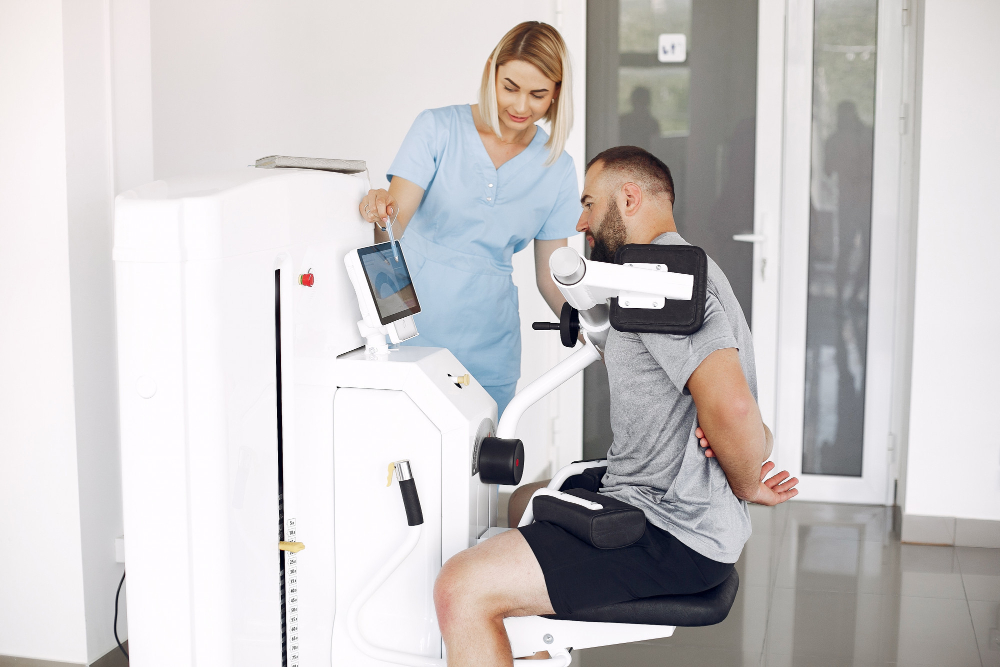
RYMO – Mobi L
Robotic RYMO, an advanced tool for both assessment /treatment after stroke and neurological rehabilitation.
- Restores movement and strength through precise, interactive, repeatable exercises that stimulate neuroplasticity, improving motor recovery and functional use of the hand.
- Integrated with Virtual Reality for engaging therapy
- Assesses range of motion and muscle strength
MEND – Balance Training System
A smart solution to regain balance and prevent falls after a stroke.
- Interactive gaming mode for fun and motivation
- Trains static, dynamic, pattern, and shape balance
- Improves posture, coordination, and confidence
- Tracks progress with detailed scoring and assessments
Together, RYMO and MEND bring innovation and motivation to stroke rehabilitation, making recovery more effective and engaging.
ORTHOSIS IN STROKE REHABILITATION
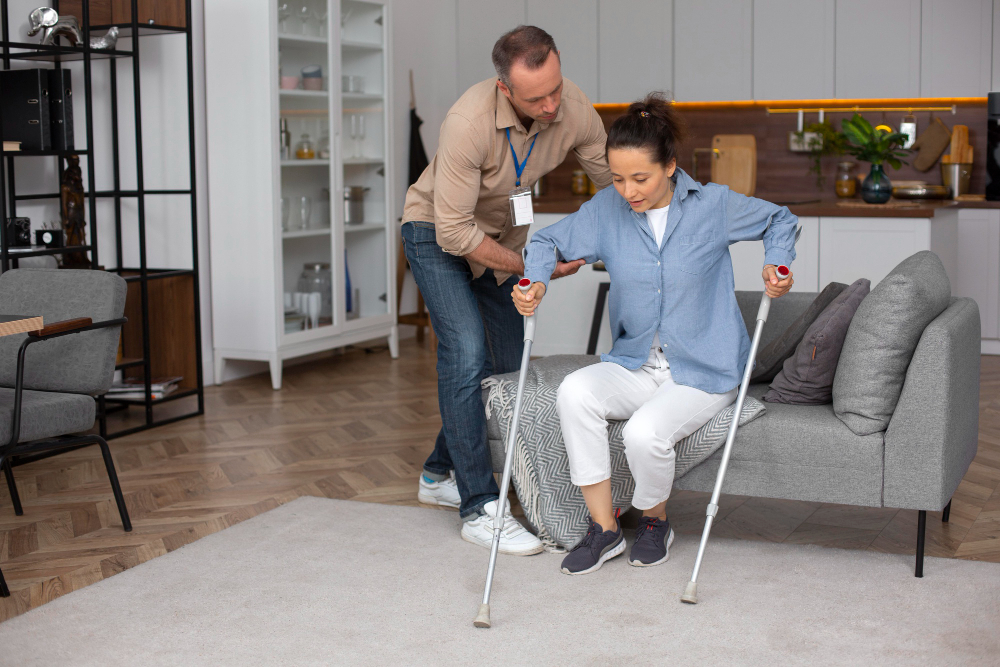
Stroke can disrupt natural movement, causing weakness, poor balance, and difficulty walking. Custom-designed orthotics provide external support to retrain muscles, improve gait, and restore confidence in daily activities. Early intervention with the right orthotic promotes faster and more effective recovery.
BENEFITS OF ORTHOTICS
- Enhanced mobility and function: Supports weakened limbs and joints to improve walking, balance, and overall movement.
- Increased safety: Reduces fall risk by addressing issues like foot drop and poor balance.
- Pain management: Relieves discomfort by reducing abnormal stresses on joints.
- Support for daily living: Helps regain independence in performing everyday tasks.
COMMON ORTHOTICS FOR STROKE RECOVERY
- Ankle-Foot Orthoses (AFOs): Supports ankle and foot, improves ground clearance, and provides walking stability.
- Knee-Ankle-Foot Orthoses (KAFOs): Provides support from thigh to foot for more extensive lower limb weakness.
- Upper Limb Orthotics: Assists shoulder, wrist, and hand positioning, manages spasticity, and aids daily function.
WHAT WE DO
- Evaluation: Comprehensive assessment of your needs, function, and goals to determine the ideal orthotic.
- Customization: Tailor-made orthotics designed for precise fit, comfort, and maximum support.
- Fitting & Training: Guidance on proper use, in coordination with your therapist, to ensure effectiveness.
- Ongoing Support: Continuous adjustments as your recovery progresses to maintain optimal function.
PSYCHOLOGY IN STROKE REHABILITATION
Psychology plays a vital role in stroke rehabilitation by addressing the emotional, cognitive, and behavioural challenges patients face. Psychological care begins with thorough screening and continues through active listening, supporting adjustment to new limitations, and exploring the personal impact of the stroke. It involves providing clear information, assisting in goal setting, and identifying any psychological difficulties that may arise during recovery. To enhance coping and improve outcomes, interventions such as problem-solving therapy, motivational interviewing, solution-focused counselling, and behavioural activation are applied, helping patients stay motivated, adapt effectively, and maintain emotional well-being throughout their rehabilitation journey.