Paediatric Physiotherapy: When Should Children Consider Physiotherapy?
- January 1, 2026
- admin
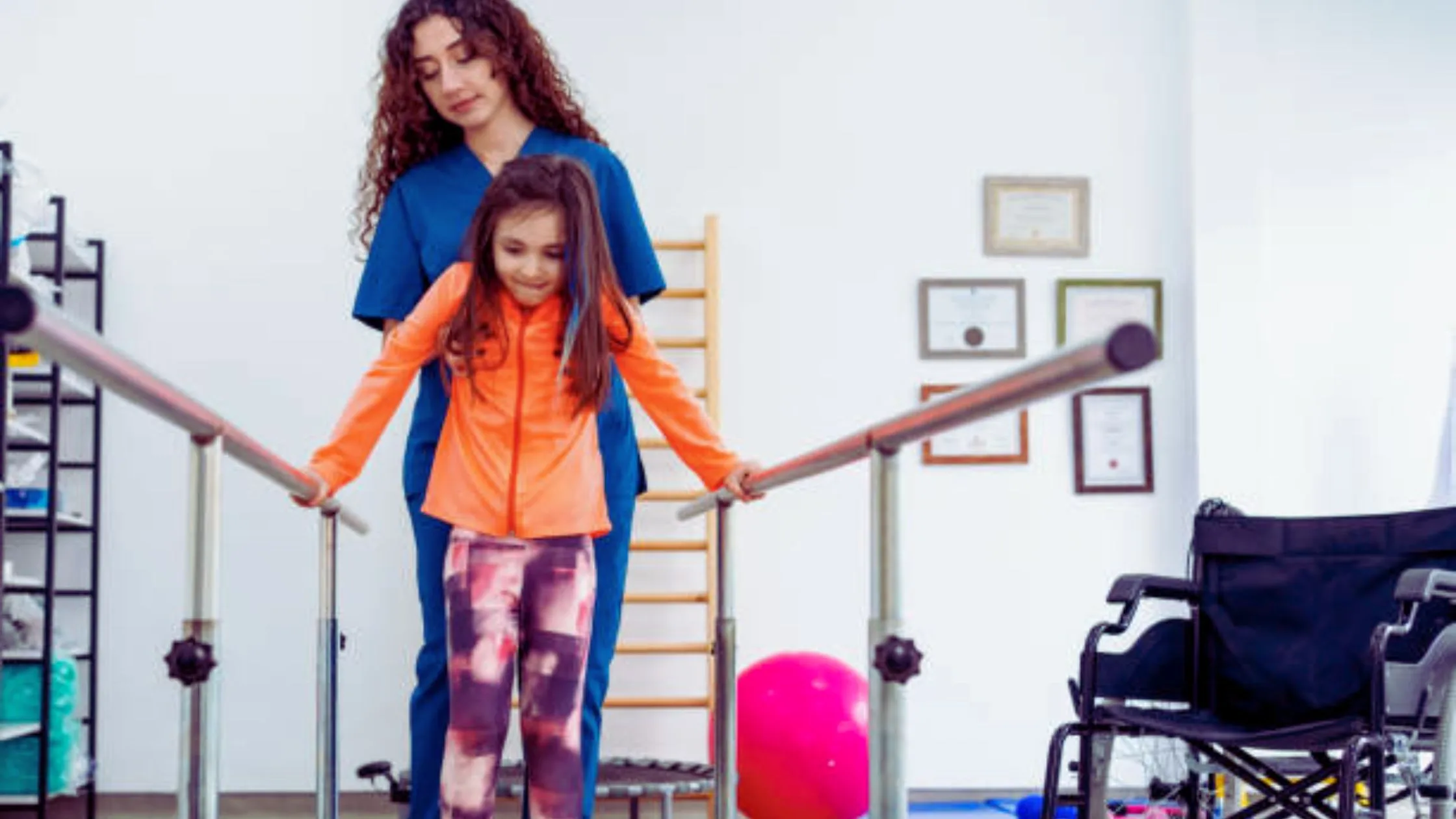
At such a young age, children experience a tremendous body development rate, and even the slightest of physical limitations in the initial days of life can have an irreversible effect on the posture, power, and self-confidence. This is why it is important to study paediatric physiotherapy in order to guarantee healthy development. Nowadays, there is a greater understanding of the need to conduct regular developmental screening and physiotherapy to identify issues at an early age, before they become lifetime hardships for the parents.
Physiotherapy is not just treatment for injuries, it is useful in enabling children to become more coordinated with changes in their motor, balance, strength, gait and overall coordination. It is a great difference when a child is determined at an early age whether he has a movement problem, difficulty in posture, or slow milestones.
At the Garden Integrated PMR Hospital, one of the largest centres of paediatric physiotherapy in Kerala, children receive a comprehensive support through skilled therapists, modern rehabilitation equipment, and child child-friendly approach of treatment. With a strong focus on growth, mobility, and functional independence, the hospital ensures that every child receives the appropriate care at the appropriate time.
What Is Paediatric Physiotherapy?
Paediatric physiotherapy is a form of rehabilitation specialised to meet the requirements of infants, toddlers, kids and teenagers. Considering the role of working with the bodies of people, bones and formation of neuromotor systems, the physiotherapy of children is in contrast to general physiotherapy, where the treatment is done with adults.
This field covers essential areas like motor development, mobility enhancement, posture correction, gait training, balance enhancement, and coordination abilities. It also deals with the diagnosis and treatment of congenital, developmental, nerve, and orthopaedic disorders that have the potential to ruin the normal activities of a child.
The benefit of paediatric rehabilitation programmes is immense to the children who have faced problems like delays in milestones, neurodevelopment processes, abnormal gait, muscle weakness, and post-injury disadvantages, among others. Paediatric physiotherapy makes a child strong, flexible and have motor skills to an extent that he or she grows up to be a strong child to be in a position to lead a normal life.
When Should You Consider a Physiotherapy Checkup for Your Child?
Parents usually detect some slight indicators before a child is given a diagnosis. Such indicators are supposed to be detected to act in time. The significant signs in case of a physiotherapy checkup becomes essential are listed below.
Delayed Developmental Milestones
Children should be identified at an early age in case they are not crawling, standing or walking. Developmental concerns can be indicated by poor levels of coordination, weakness in muscular strength or motor loss. Paediatric physiotherapy in the approach of Child development delay treatment is a strategy of finding out the actual cause of delay and assisting with children reaching the age-related milestones. The significance of early therapy is the increased mobility, muscle strength and confidence.
Frequent Falls, Poor Balance or Clumsiness
Children may also have gait issues in case a child stumbles a lot, is not able to run, or s/he cannot jump. Such problems are mostly a result of low balance, lack of strong muscles or coordination problems. These concerns can be corrected by early physiotherapy assessment.
Toe Walking, Flat Feet & Abnormal Gait Patterns
Children with persistent toe walking, abnormal foot posture or a flat foot can have balance problems and long-term joint health issues. The early toe walking therapy helps to prevent complications and assist healthy walking patterns. They can all be resolved at a young age and make sure they are set on the right road and prevent pain or lack of mobility in the future.
Poor Posture or Spine Alignment Issues
A straightforward head stance, bent shoulders, or an unbalanced spine can indicate possible child posture issues. The physiotherapists of children evaluate the health of the spine and provide therapeutic exercises before the issue worsens.
Pain or Discomfort During Play or Movement
Knee pain, back pain, or joint pain are some pains that cannot be ignored even in children. These are not the symptoms that are normal during growth and they usually point to an imbalance of the muscles or to joint instability.
Difficulty with Everyday Activities
Difficulty walking on the stairs, picking objects, participating in activities and endurance may be the indicators of poor motor skills or stamina. Early physiotherapy will help the children to make their core strong to improve their coordination and eliminate any hesitation to carry out their daily tasks.
Conditions That Paediatric Physiotherapy Helps Treat
Paediatric physiotherapy has been essential in the treatment of various developmental, neuropathological, orthopaedic and congenital disorders. It supports children with physical disabilities going through physiotherapy and provides organised paediatric rehabilitation to children requiring long-term care.
Cerebral Palsy
Helps enhance mobility, muscular tone, balance, and quality of life.
Autism Spectrum Disorder (ASD)
Improves motor planning, sensory processing, coordination and posture.
Developmental Delay (GDD)
Supports milestone completion by individualised training on motor skills.
Muscular Dystrophy
Aims at enhancing strength, reducing functional deterioration and maintaining mobility.
Spina Bifida
Helps take care of walking, steadiness, and physical independence.
Sports Injuries in Children
Rehabilitation promises a safe return to sports activity and prevents future injuries.
Post-fracture and Post-surgical Rehab
Regains power, function and confidence following immobilisation or surgery.
Flat Feet & Gait Abnormalities
Adjusts positioning, sitting and walking habits.
Benefits of Early Physiotherapy for Children
Early Physiotherapy treatment has long-term advantages for developing children. It also improves the foundational motor skills, increases balance, strength and gives the appropriate coordination. Children are becoming more independent and confident because they learn how to move effectively and safely.
Early physiotherapy is also effective in the prevention of musculoskeletal problems in the future by revealing the abnormalities at the earliest stage. Such experience will ensure that children both perform better and have a positive experience at school, and also in sports and social activities with reduced chances of injury.
What Happens During a Paediatric Physiotherapy Session?
Physical assessment, developmental testing, strength evaluation, and gait/posture analysis. The therapists apply the play-based therapy, sensory games, balance training, and mobility tasks to ensure that therapy is enjoyable. Parents are the key component of the process, who are provided with home exercise plans that help to improve every day. Effective therapeutic outcomes are assured by safety, monitoring, and constant progress surveys.
Home Exercises & Activities to Support Your Child’s Development
The child’s motor development exercises that can be promoted by parents include:
- Balance drills
- Core strengthening play
- Obstacle courses
- Hand-eye coordination games
- Cardio-resistance conditioning activities
- The activities increase mobility, stability, and confidence.
Warning Signs to Seek Immediate Professional Help
Seek urgent care if your child is having:
- Severe or persistent pain
- Regression in motor skills
- Asymmetric movements
- Inability to bear weight
- Sudden weakness or severe falls
Timely analysis ensures early treatment and prevents complications in time.
Why Choose Garden Integrated PMR Hospital for Paediatric Physiotherapy?
Garden Integrated PMR Hospital has the reputation of providing the best physiotherapy for children in Kerala and is also rated as one of the best Physiotherapy Hospitals in Kerala due to the advanced programmes in child rehabilitation.
Garden Hospital provides an Integrated Multi-Speciality Support, combining specialised physical therapy in Kerala, PMR, Ayurveda, nutrition, and counselling when required. Its detailed evaluation process, parent counselling and planning of the long-term developmental pattern make it one of the best physical therapy hospitals in Kerala.
The reason is that early physiotherapy makes a person have a healthier physical growth, enhances mobility, and achieves long-term functionality. The cases of delays, imbalance, and difficulty in movement are to be observed by parents who require early assessment. Book an appointment at the Garden Integrated PMR Hospital so that you can give your child the right start to a healthy and productive future.
FAQs
The physiotherapy is required to be evaluated in case a child is facing the delay of milestones, falls, abnormal walking style, bad posture, pain or inability to perform daily activities.
Late rolling, crawling, walking, inability to hold on to things, weak muscle tone and poor coordination may be some indications of such a sign.
Yes. Paediatric physiotherapy uses kid-friendly techniques, which involve gentleness and playful approaches that are aimed at kids.
Within pediatric physiotherapy, developmental delay, autism, cerebral palsy, sports injuries, flat feet, gait defects, muscular dystrophy and post-fracture recovery are also treated.
The duration would vary, depending on the nature and goals of the disease. Some people would require weeks of treatment and some others would require long-term care.
It depends on the condition of the child and the child's development, such as 1-3 sessions every week, having frequent evaluation.