


Paralysis
Best Paralysis Treatment in India
Paralysis can be a challenging condition for both patients and their caregivers. At Garden PMR Hospital, recognized as one of the best paralysis treatment centers in India, patients receive expert medical care, advanced therapies, and personalized rehabilitation programs to restore mobility and independence. Understanding the causes, types, symptoms, and available treatment options is essential for effective management and improving quality of life. With comprehensive support and specialized care at Garden PMR Hospital, individuals can achieve better functional recovery and long-term well-being.
What is Paralysis?
Paralysis is a medical condition in which a person loses the ability to move part or all of their body due to damage to the nervous system. This damage may affect the brain, spinal cord, or peripheral nerves. As a result, muscle control, sensation, and coordination can be impaired, making daily activities difficult.
Treatment for paralysis often involves a combination of medical care, rehabilitation, physiotherapy, and assistive technologies aimed at restoring function and enhancing independence. Choosing the best paralysis treatment in India can play a crucial role in long-term recovery.
Types of Paralysis
Paralysis can present in different forms, depending on the affected area of the body:
-
Monoplegia
Loss of movement in a single limb or specific body part, often caused by localized nerve damage or injury.
-
Hemiplegia
Affects one side of the body, commonly resulting from a stroke or brain injury, leading to weakness and reduced muscle control.
-
Paraplegia
Involves loss of function in the lower half of the body, usually due to spinal cord injury, affecting the legs and lower trunk.
-
Quadriplegia
A severe form of paralysis caused by spinal cord injury that affects all four limbs and the torso.
Common Causes of Paralysis
Understanding the underlying cause of paralysis is essential for effective treatment and rehabilitation.
Brain-Related Causes
Strokes, traumatic brain injuries, brain tumors, and neurological diseases can interrupt signals between the brain and muscles.
Accidents, falls, or trauma can damage the spinal cord, leading to varying degrees of paralysis depending on the injury level.
Nerve Damage
Conditions such as diabetes, infections, or physical injuries can damage peripheral nerves, resulting in weakness or loss of sensation.
Autoimmune Conditions
Recognizing Paralysis: Symptoms and Diagnosis
-
Common Symptoms
Common symptoms of paralysis include muscle weakness or loss of movement, reduced reflexes, muscle wasting, limited mobility, and numbness or loss of sensation in the affected areas.
-
Medical Evaluation
A detailed neurological examination is performed to assess muscle strength, reflexes, tone, and coordination, which is essential for planning care at the best paralysis treatment center in India.
-
Diagnostic Tests
MRI and CT scans are used to detect brain or spinal cord damage, while electromyography (EMG) evaluates nerve and muscle function, supporting accurate diagnosis at the best paralysis treatment in India and advanced centers offering the paralysis rehabilitation center in Kerala.
Treatment and Rehabilitation for Paralysis
The primary goals of treatment are to restore mobility, enhance independence, manage symptoms, and improve overall quality of life. Accessing the best Paralysis rehabilitation center in India ensures comprehensive and multidisciplinary care.
-
Medications and Surgery
Medications may include muscle relaxants, anti-inflammatory drugs, or pain relievers. Surgery may be required to stabilize the spine, repair nerve damage, or relieve pressure on affected areas.
-
Assistive Devices
Wheelchairs, braces, walking aids, and communication devices help individuals perform daily activities more comfortably and safely.
-
Rehabilitation Therapies
Rehabilitation therapies include physical therapy for movement and strength, occupational therapy for daily activities, speech therapy for communication and swallowing, and psychological therapy for emotional support.
Supporting Someone with Paralysis
Caregivers and family members play a crucial role in recovery by:
Assisting with daily activities such as dressing and bathing
Creating a safe and accessible environment
Providing emotional support and encouragement
Communicating clearly and respectfully
Working closely with healthcare professionals
Garden Hospital: Advanced Care for Paralysis Treatment
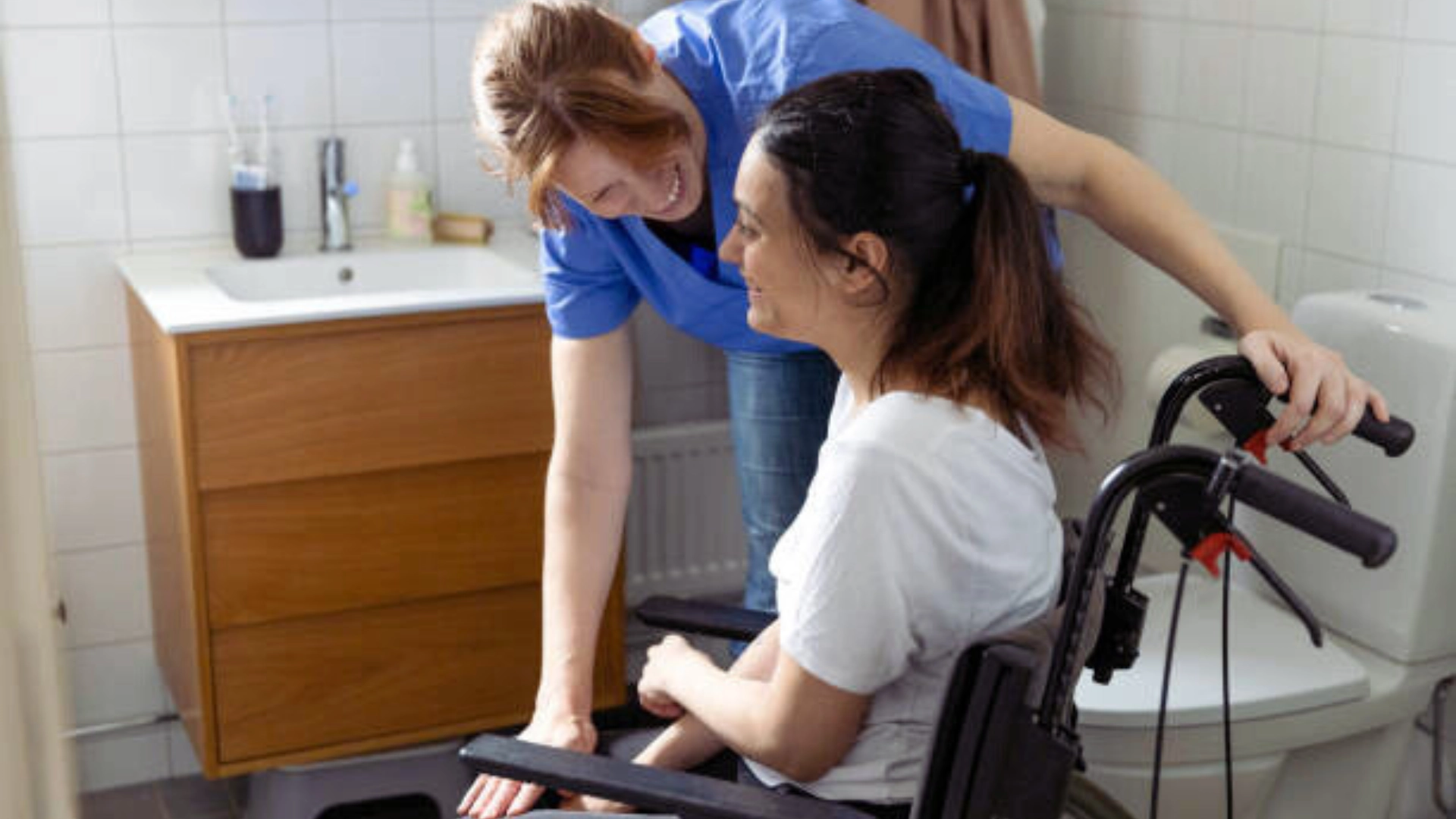
Garden PMR Hospital is recognized for its comprehensive and patient-centered approach to neurological care and rehabilitation. With a team of experienced neurologists, physiotherapists, rehabilitation specialists, and advanced medical infrastructure, the hospital offers integrated treatment plans tailored to individual needs.
Garden PMR Hospital focuses on:
Accurate diagnosis using advanced imaging and neurological testing
Personalized rehabilitation programs
Multidisciplinary therapy support
Long-term recovery and quality-of-life improvement
The hospital’s commitment to excellence places it among the best paralysis treatment center in India and a trusted destination for patients seeking the Best Paralysis Treatment in Kerala as well as advanced rehabilitation support.
Types of Recovery Therapies
- Physical therapy focuses on improving muscle strength, flexibility, and mobility.
Occupational therapy helps individuals regain skills needed for daily activities and independence.
Speech therapy addresses communication and swallowing difficulties.
Psychological therapy provides emotional support and coping strategies.
These therapies are core components of care at the best Paralysis rehabilitation center in India
Common Exercises for Recovery
Range-of-motion exercises to improve joint flexibility.
Strength training to rebuild and maintain muscle power.
Aerobic exercises to support cardiovascular health.
Balance and coordination activities to improve stability.
Functional training to enhance daily task performance under the best paralysis treatment in India.
Importance of Early Exercise
Prevents muscle wasting and joint stiffness.
Maintains flexibility and improves blood circulation.
Supports mental well-being and motivation.
Lays a strong foundation for independence and recovery as part of the best paralysis treatment in Kerala.
Paralysis requires timely diagnosis, expert medical care, and consistent rehabilitation to achieve the best possible outcomes. With the support of experienced healthcare professionals, modern therapies, and specialized centers like Garden Hospital, individuals can regain function, independence, and confidence. Choosing the best paralysis treatment center in India can make a meaningful difference in the journey toward recovery.
Treatments
- Rehabilitation After Ortho Surgeries
- Rehabilitation After Neuro Surgeries
- Stroke or Hemiplegia
- Cerebral Palsy
- Geriatric Rehabilitation
- Guillain - barre Syndrome
- Knee Pain - Osteo Arthritis
- Back Pain Rehabilitation
- Neck Pain Rehabilitation
- Sports Rehabilitation
- Global Development Delay
- Arthritis
- Psoriasis Management
- Fistula
- Anorectal Disorders
- Sciatica
- Weight Reduction
- Accident Rehabilitation
- Degenerative Disorders
- Parkinson's Disease
- Spinal Cord Injury
- Myastheania Gravis
- Paralysis
- Multiple Sclerosis
- Rheumatoid Arthritis

Best Paralysis Treatment Center in India
For appointments or to consult with our Paralysis experts, reach out:
Frequently Asked Questions
Recovery from paralysis varies significantly based on the cause, severity, and duration of the condition. Some individuals may regain full or partial function, while others may have long-term disabilities. Rehabilitation, including physical and occupational therapy, plays a crucial role in the recovery process.
Caring for a paralyzed patient involves:
- Assisting with daily activities: Help with bathing, dressing, and grooming.
- Preventing bedsores: Regularly change positions and use supportive cushions.
- Promoting mobility: Encourage safe movement and assistive devices like wheelchairs or walkers.
- Managing medications: Ensure timely administration of prescribed medications.
- Providing emotional support: Be there for companionship and motivation.
- Monitoring health: Watch for signs of complications like infections or blood clots.
The last stage of paralysis may involve complete loss of muscle control and sensation in the affected areas. Patients might experience complications like respiratory issues, muscle atrophy, and increased dependency on caregivers for all aspects of daily living. In some cases, this stage can lead to life-threatening complications.
Effective treatments for paralysis include:
- Medications: Muscle relaxants, pain relief, and anti-inflammatory drugs.
- Physical therapy: To improve strength, flexibility, and mobility.
- Occupational therapy: To help regain daily living skills.
- Assistive devices: Such as braces or wheelchairs for mobility.
- Surgery: In some cases, surgical interventions may relieve pressure on nerves or stabilize the spine.
Whether someone can walk again after paralysis depends on the type and severity of the paralysis, the underlying cause, and the effectiveness of rehabilitation efforts. Some individuals regain mobility through intensive therapy and rehabilitation, while others may need assistive devices.
Rehabilitation for stroke patients typically includes:
- Physical therapy: To improve strength, coordination, and balance.
- Occupational therapy: To help with daily activities and regain independence.
- Speech therapy: To address communication difficulties.
- Emotional support: Counseling or support groups for mental well-being.
- Regular exercise: To enhance recovery and prevent complications.
Yes, many people have recovered from paralysis, especially with early intervention, proper medical care, and dedicated rehabilitation programs. Recovery varies by individual, with some regaining full function while others experience partial recovery.
Exercising a patient with paralysis should be done under professional guidance. Some general approaches include:
- Passive range-of-motion exercises: Help maintain joint flexibility.
- Strength training: Focus on unaffected muscle groups to maintain strength.
- Seated exercises: For patients who can sit, such as upper body exercises.
- Aerobic activities: Use of stationary bikes or arm ergometers for cardiovascular health.
The recovery rate for paralysis varies widely based on factors like the cause, extent of nerve damage, and the timeliness of rehabilitation. Some studies suggest that 30-70% of individuals experience some level of recovery, but full recovery is less common.
In some cases, surgery can help repair paralysis by relieving pressure on the spinal cord or nerves. Procedures may include decompression surgery, spinal stabilization, or nerve grafting, depending on the cause of paralysis.
Permanent paralysis typically occurs in cases where there is irreversible damage to the spinal cord or nerves, such as in severe spinal cord injuries, certain neurodegenerative diseases (e.g., amyotrophic lateral sclerosis), or extensive strokes. The extent of recovery will vary among individuals.