How to Cure Sciatica Permanently
- May 11, 2026
- admin
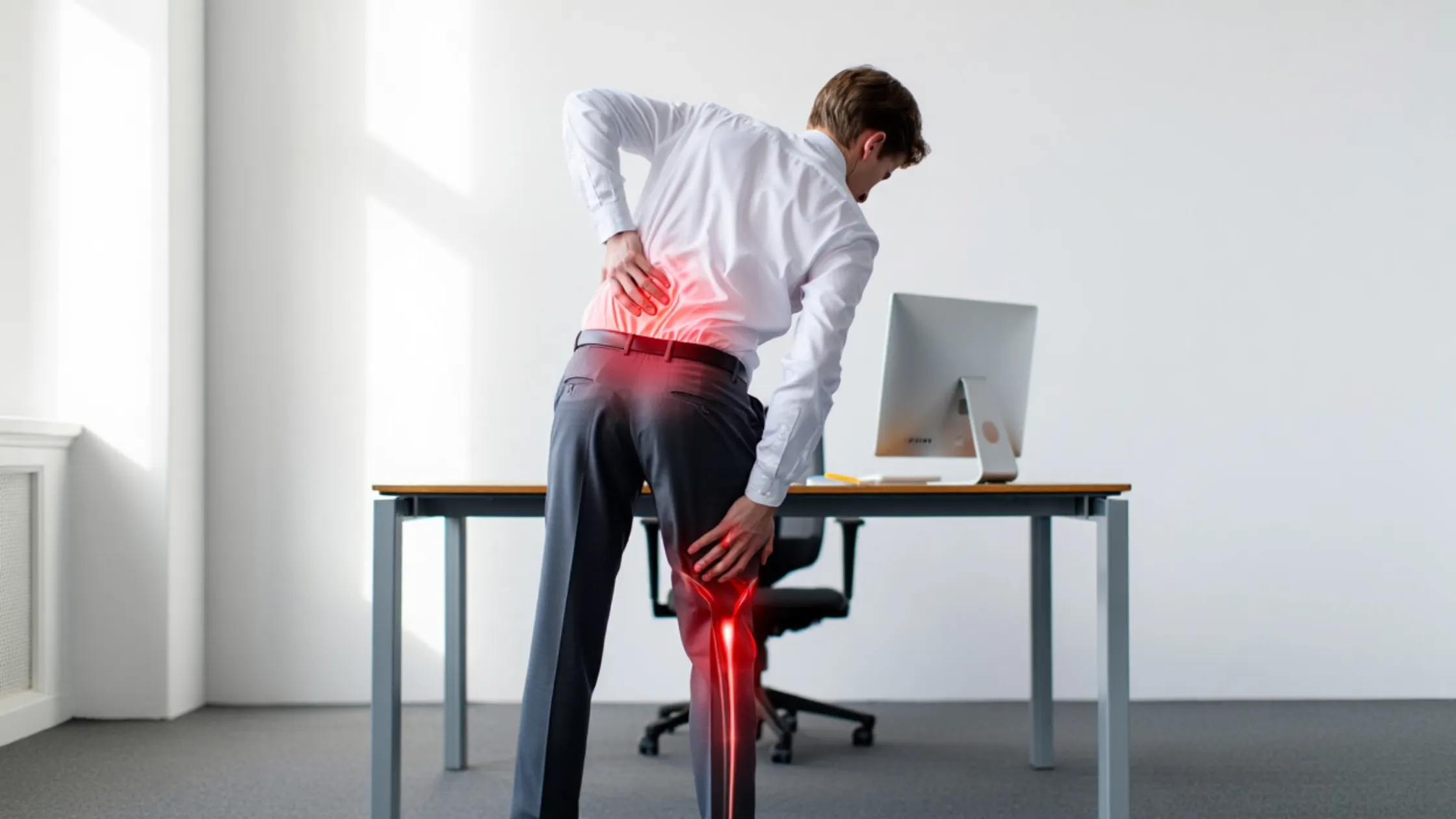
Sciatica is one of the most common causes of lower back and leg pain, and it can significantly affect daily life. People experiencing this condition often search for a lasting solution and ask: how to cure sciatica permanently?
Sciatica is not a disease itself but a symptom of an underlying problem affecting the sciatic nerve, which is the longest nerve in the body. It begins in the lower back, moves through the hips, and continues down both legs. When this nerve is compressed or irritated, it can cause pain, numbness, or weakness along its path.
The good news is that in many cases, sciatica can be effectively managed and even resolved with the right combination of treatments, lifestyle changes, and medical care. However, achieving permanent relief depends on identifying and addressing the root cause of the condition.
In this comprehensive guide, we will explore what causes sciatica, effective treatments, home remedies, exercises, and long-term strategies that can help you achieve lasting relief.
What Is Sciatica?
Sciatica refers to discomfort that follows the path of the sciatic nerve. It usually affects one side of the body and can range from mild discomfort to severe, sharp pain.
Common Symptoms of Sciatica
- Lower back pain
- Pain radiating to the buttocks and legs
- Burning or tingling sensation
- Numbness or weakness in the leg
- Pain that worsens while sitting or standing
The intensity and duration of symptoms vary depending on the severity of nerve compression.
Causes of Sciatica Pain
Understanding the root cause is essential when looking for how to cure sciatica permanently.
Herniated Disc
A very common cause is when a spinal disc shifts out of position and compresses the sciatic nerve.
Spinal Stenosis
Narrowing of the spinal canal can compress nerves and lead to sciatica symptoms.
Piriformis Syndrome
The piriformis muscle in the buttock can irritate the sciatic nerve if it becomes tight or inflamed.
Degenerative Disc Disease
Age-related wear and tear of spinal discs can contribute to nerve compression.
Injury or Trauma
Accidents or falls can damage the spine and lead to sciatic nerve pain.
Identifying the exact cause helps determine the best treatment for sciatica nerve pain.
Can Sciatica Be Cured Permanently?
Many patients wonder if sciatica can be completely cured.
In most cases, sciatica can be successfully treated and prevented from recurring, especially when the underlying cause is addressed. However, the idea of a “permanent cure” depends on:
- The root cause of the condition
- Severity of nerve compression
- Lifestyle habits
- Consistency in treatment and rehabilitation
For many individuals, a combination of medical treatment, physiotherapy, and lifestyle changes can provide long-term or permanent relief.
How to Cure Sciatica Permanently?
Achieving lasting relief from sciatica requires a comprehensive approach rather than a single treatment.
1. Physiotherapy for Sciatica
Physiotherapy is considered one of the most effective non-surgical treatment options for sciatica.
A trained physiotherapist designs exercises that:
- Improve flexibility
- Strengthen core and back muscles
- Reduce pressure on the sciatic nerve
Regular physiotherapy can correct posture and prevent future episodes.
2. Medications for Pain Relief
Doctors may prescribe medications to manage symptoms, especially during acute episodes.
Common options include:
- Anti-inflammatory drugs
- Muscle relaxants
- Pain relievers
While medications do not cure sciatica, they help control pain and allow patients to participate in rehabilitation.
3. Sciatica Exercises for Pain Relief
Engaging in exercise is key to maintaining recovery in the long run.
Effective Exercises Include:
- Stretching exercises for hamstrings
- Lower back strengthening exercises
- Core stability workouts
- Gentle yoga poses
Regular exercise helps reduce nerve compression and improve spinal health, contributing to permanent relief from sciatica.
4. Lifestyle Changes
Simple lifestyle adjustments can significantly impact recovery.
Key Changes Include:
- Maintaining proper posture
- Avoiding prolonged sitting
- Using ergonomic chairs
- Practising safe lifting techniques
- Maintaining a healthy weight
These changes reduce strain on the spine and help prevent recurrence.
5. Heat and Cold Therapy
Alternating heat and cold packs can help relieve pain and inflammation.
- Cold packs reduce swelling
- Heat therapy relaxes muscles and improves blood flow
This is a useful method for treating sciatica at home.
6. Minimally Invasive Treatments
If conservative treatments do not provide relief, doctors may recommend advanced options such as:
- Epidural steroid injections
- Nerve block therapies
These treatments reduce inflammation around the nerve and provide longer-lasting relief.
7. Surgery (When Necessary)
In severe cases where nerve compression is significant, surgery may be required.
However, surgery is usually considered only when:
- Pain persists despite treatment
- There is significant weakness or nerve damage
- Daily activities are severely affected
Even after surgery, rehabilitation is essential for long-term recovery.
Home Remedies for Sciatica
Many patients look for natural ways to manage symptoms.
Helpful Home Remedies
- Gentle stretching routines
- Warm baths
- Maintaining an active lifestyle
- Avoiding bed rest for long periods
While these methods may not cure sciatica completely, they support healing and reduce discomfort.
Preventing Sciatica Recurrence
Preventing recurrence is key to achieving a permanent solution for sciatica pain.
Prevention Tips
- Exercise regularly
- Strengthen core muscles
- Maintain good posture
- Avoid heavy lifting
- Stay active throughout the day
Consistency is crucial for long-term success.
Sciatica Treatment at Garden PMR Hospital
For individuals struggling with persistent or severe sciatica, professional medical care is essential. Garden PMR Hospital provides comprehensive diagnosis and treatment for spine-related conditions, including sciatica.
The hospital focuses on identifying the root cause of nerve pain and offering personalized treatment plans tailored to each patient’s condition.
Why Choose Garden PMR Hospital?
Garden PMR Hospital offers:
- Experienced specialists in spine and rehabilitation care
- Advanced diagnostic techniques
- Non-surgical and minimally invasive treatment options
- Customized physiotherapy programs
- Patient-centered care and long-term follow-up
Patients seeking how to cure sciatica permanently can benefit from a multidisciplinary approach that combines medical expertise, rehabilitation, and lifestyle guidance.
Early intervention and expert care can significantly improve outcomes and help patients return to a pain-free life.
FAQs
Sciatica can often be effectively treated, and many people experience long-term or permanent relief. However, the outcome depends on the underlying cause and how early treatment begins. Managing the root issue plays a key role in recovery.
Quick relief from sciatica pain usually comes from a combination of rest, gentle stretching, hot or cold therapy, and prescribed medications. Avoiding prolonged sitting and maintaining proper posture can also ease discomfort.
Certain vitamins may support nerve health and reduce inflammation. These include Vitamin B12, Vitamin B6, Vitamin D, and magnesium. While they may help in recovery, they should be taken under medical guidance.
Doctors may recommend anti-inflammatory drugs, muscle relaxants, or pain relievers depending on the severity of symptoms. In some cases, stronger medications or injections may be prescribed for better pain control.
Sciatica usually occurs when the sciatic nerve is compressed. Common causes include a herniated disc, spinal stenosis, or muscle tightness such as piriformis syndrome. Identifying the exact cause is essential for proper treatment.
Yes, gentle massage can help relieve muscle tension and improve blood circulation, which may reduce sciatica pain. However, it should be done carefully and avoided if it increases discomfort.
Sciatica may last from a few weeks to several months, depending on the severity and cause. Chronic cases can persist longer if not properly treated, which is why early intervention is important.
Foods that increase inflammation may worsen symptoms. It is best to limit processed foods, sugary items, fried foods, and excessive caffeine. A balanced diet rich in fruits, vegetables, and healthy fats can support recovery.